The Word for 'Mixture'
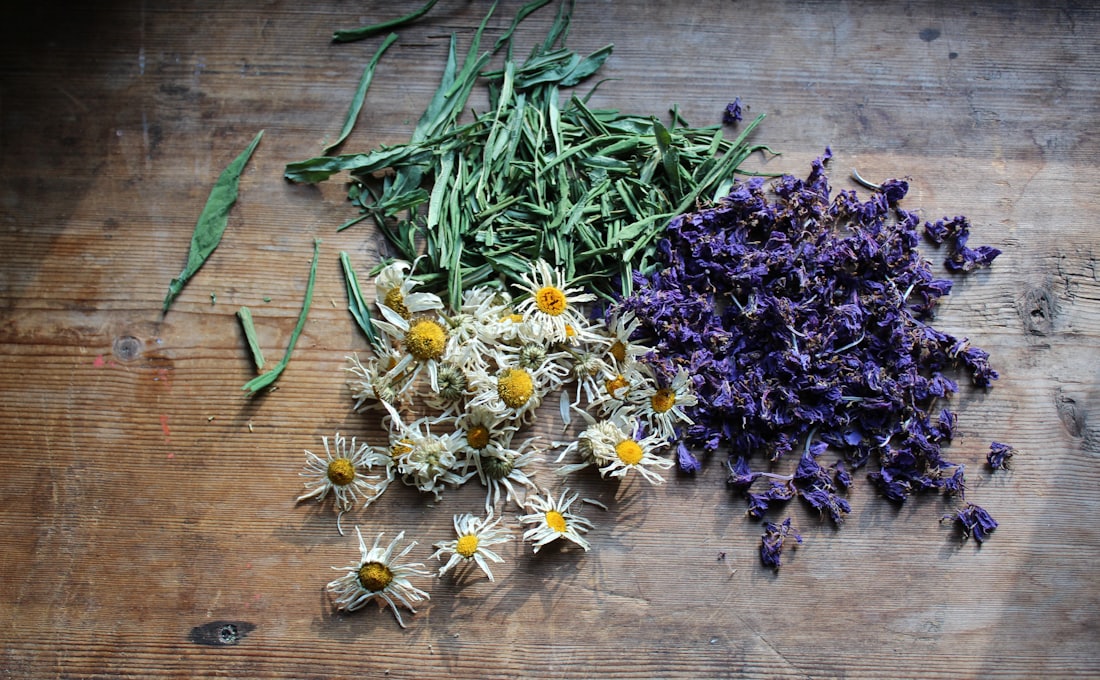
In Arabic, mukhallat means simply 'mixture' or 'blend' — and the name reveals the philosophy. A mukhallat is a composed blend of pre-made materials: distilled attars and ruhs combined with culturally treasured ingredients such as oud oil, rose, saffron, musk, ambergris, and amber accords. Where a traditional Indian attar is distilled from a single fragrant material, the mukhallat is an act of mixing — layering, in essence, captured in a bottle.
Oud and Rose: The Archetypal Pairing
The most celebrated mukhallat structure is rose and oud — a pairing that matches the smoky, sour density of oud oil against the peppery brightness of Taifi rose. It is a masterclass in the bridge principle this Journal returns to often: two powerful, seemingly opposed materials made to cohere through contrast. The Middle East arrived at this logic centuries before the modern layering guide.
Scent as Ritual
Beyond the formula lies a culture of use. In many Gulf households, mukhallats and oud are woven into hospitality and ceremony — worn to welcome guests, to mark celebrations, and to honour significant occasions, with blending itself a domestic craft passed down through generations. The current Western fascination with layering is, in many ways, a rediscovery of what attar and mukhallat traditions have long understood: that a fragrance can be built, blended, and made deeply personal.
To layer scent today is to join a lineage far older than any trend — one that treated blending as both an art and an inheritance.