
The Power of the Invisible
It cannot be seen, photographed, or worn out. Why scent may be the most emotional — and most personal — accessory you own.

What Your Scent Says Before You Speak
Before a handshake, before a word, your scent has already introduced you. Here is what the research says others quietly notice — and remember.

The Quiet Chemistry Between People
The pheromone perfume is a beautiful myth. The real science of scent and attraction is subtler, stranger, and far more romantic.

How Fragrance Changes the Way You Move
The 'lipstick effect' has a scented cousin. When you wear a fragrance you love, the change begins not in the room — but in you.
The Memory You Wear
Tie a fragrance to a chapter of your life and you build an archive you can re-enter through the nose. Here is how, and why it works.

Dressing Your Emotions
Most of us choose a scent to match a mood. What if you chose one to make a mood — to wear the feeling you want next?

Aromachology: The Measured Science of Mood
Not folklore but data — how researchers and fragrance houses actually measure the way a scent can shift attention, calm or quietly lift the mind.
Why Smell Hits the Heart First
Alone among the senses, smell takes a shortcut straight into the brain's seat of emotion and memory — arriving before reason has time to speak.

The Proust Effect: How a Scent Returns You to Yourself
A single inhaled note can summon a place, a person, a year of your life — and science now explains why smell remembers more tenderly than the eye.
How Your Skin Rewrites a Fragrance
A perfume is only finished once it meets you — your warmth, your oils, your chemistry quietly redraw it from the first minute.
Why the Same Perfume Smells Different on Everyone
Before chemistry ever touches your skin, your genes have already decided which molecules you can smell — and how beautiful you find them.
The Language of Notes: How to Describe What You Smell
Why naming a scent feels strangely impossible — and how to build a vocabulary that brings the invisible into words.

Finding Your Olfactory Identity
How a scent stops being something you wear and becomes something you are — the slow alchemy of skin, memory, and repetition.

Your Signature Scent and What It Signals
Fragrance is not a personality test. It is something better — a deliberate language of self-expression you author one wearing at a time.

Top, Heart, Base: How a Fragrance Unfolds
A perfume is not a single chord but a piece of music in three movements. Here is how to listen to it from spray to dry-down.
The Logic of Layering
The method behind every blend — four forces, three tiers and a map of moods, with an interactive family map and mood chart.
Become Your Own Perfumer
You do not need a laboratory to compose. With two bottles and a little courage, your dressing table becomes a perfumer's organ.

Unrepeatable
A layered scent is the one accessory no one can copy. The reason is part skin chemistry, part the quiet arithmetic of combination.
Bold Pairings
The combinations that thrill are often the ones that shouldn't work. The secret to fearless layering is contrast — and a bridge.
The Living Fragrance Wardrobe
Your perfume changes with the thermometer, whether you intend it or not. Rotate with the seasons and the science works for you.

The Art of Fragrance Layering
Combining two scents into one is easier than it looks — once you know the single rule that makes any pairing cohere.

The Middle-Eastern Heritage of Layering
Long before scent wardrobing trended online, the Gulf perfected the blended art of the mukhallat. A look at a centuries-old craft.
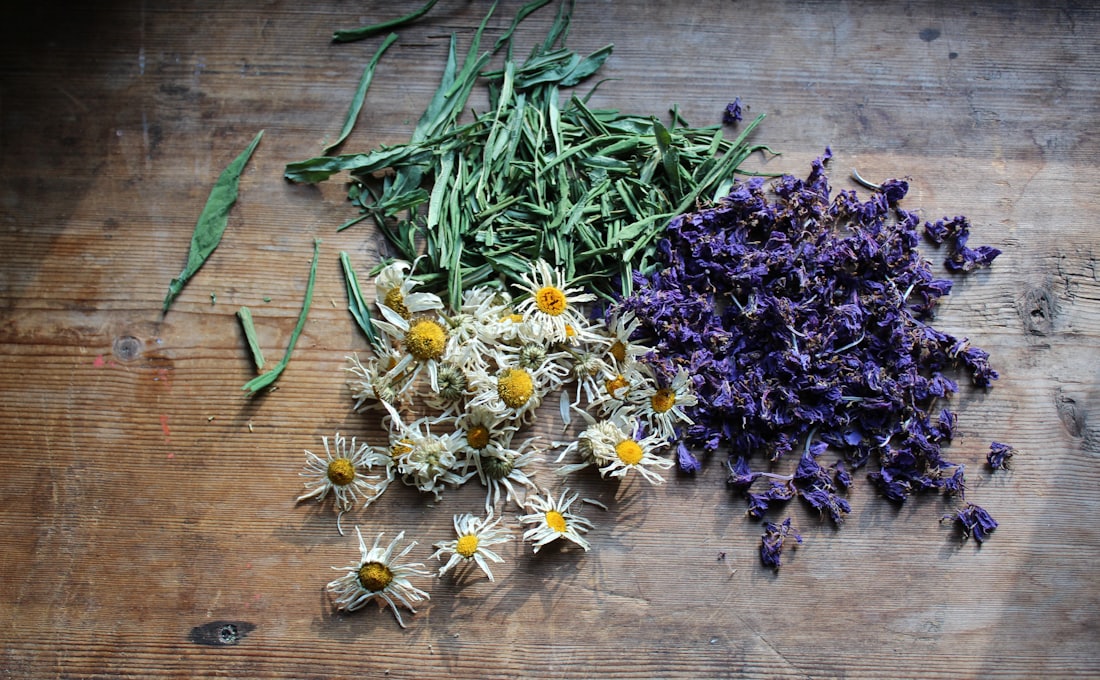
Five Layering Pairings for Every Mood
Five tested combinations — and the reason each one works — so you can compose a scent that matches exactly how you want to feel.
Layering Trends 2026 and the #PerfumeTok Movement
Scent wardrobing went viral. Here is what the #PerfumeTok generation is layering now — and the timeless logic underneath the trend.
The Fragrance Trends Defining 2026
From quiet luxury to neuroperfumery and evolved gourmands, the forces reshaping how we wear scent this year.
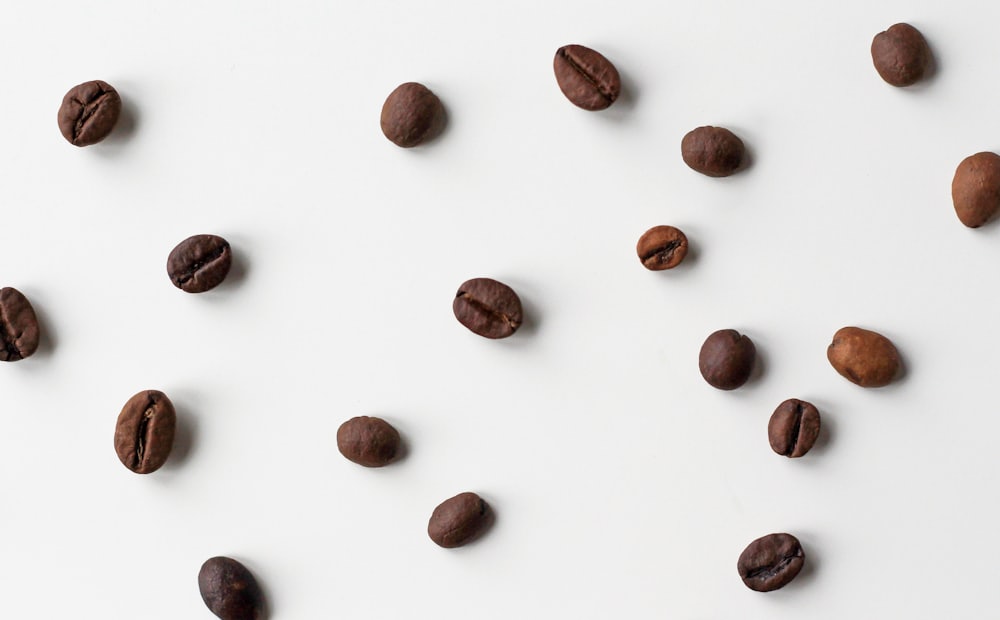
Gourmand's Reign: Why Edible Scents Rule 2026
The sweet category isn't fading — it's maturing into salted pistachio, roasted praline and smoked coffee.
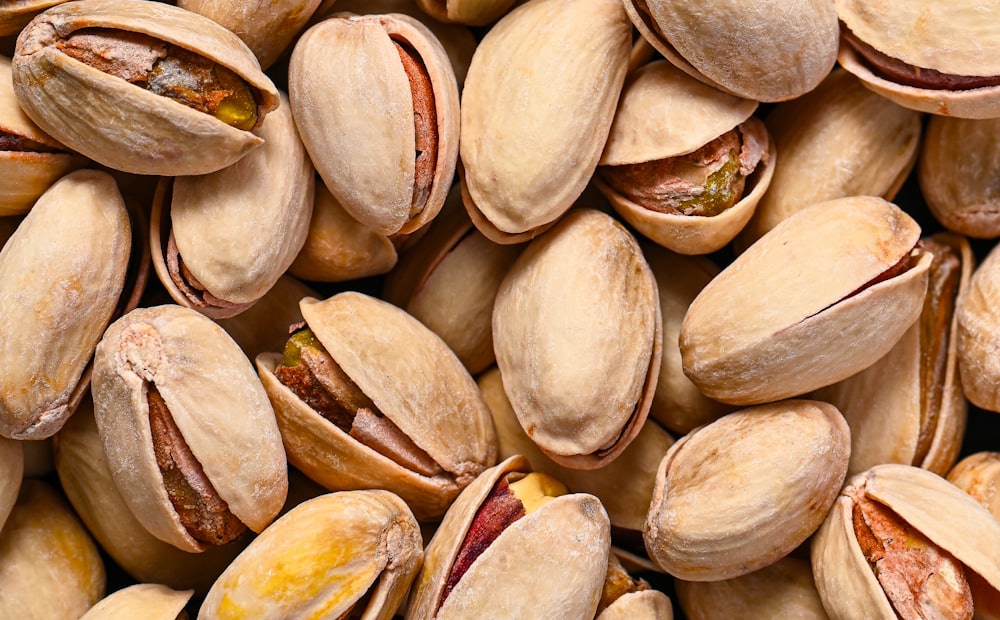
The Notes of 2026: What Perfumers Are Reaching For
Ambrette, salted pistachio, smoky coffee, earthy vetiver and luminous neroli — the raw materials shaping this year's compositions.
Skin Scents & Quiet Luxury: The Rise of Intimate Musks
Why 2026's most coveted fragrances whisper — soft musks and second-skin compositions built for closeness, not projection.
EDT vs EDP vs Extrait: A Concentration Guide
What the letters on the bottle really mean — and why concentration shapes intimacy, longevity and the way a scent wears.
Decants Explained: The Intelligent Way to Build a Fragrance Wardrobe
Why the most considered collectors carry decants — an elegant, low-commitment path to discovering scent and dressing by mood.

How to Read a Fragrance Pyramid
Top, heart and base — the simple structure that explains why a perfume changes from first spray to last trace.